Can you post photos of people and number plates in the UAE?
What the UAE's cybercrime law says about photographing people, why I blur number plates even though no law I can find requires it, and how I handle consent on business shoots.
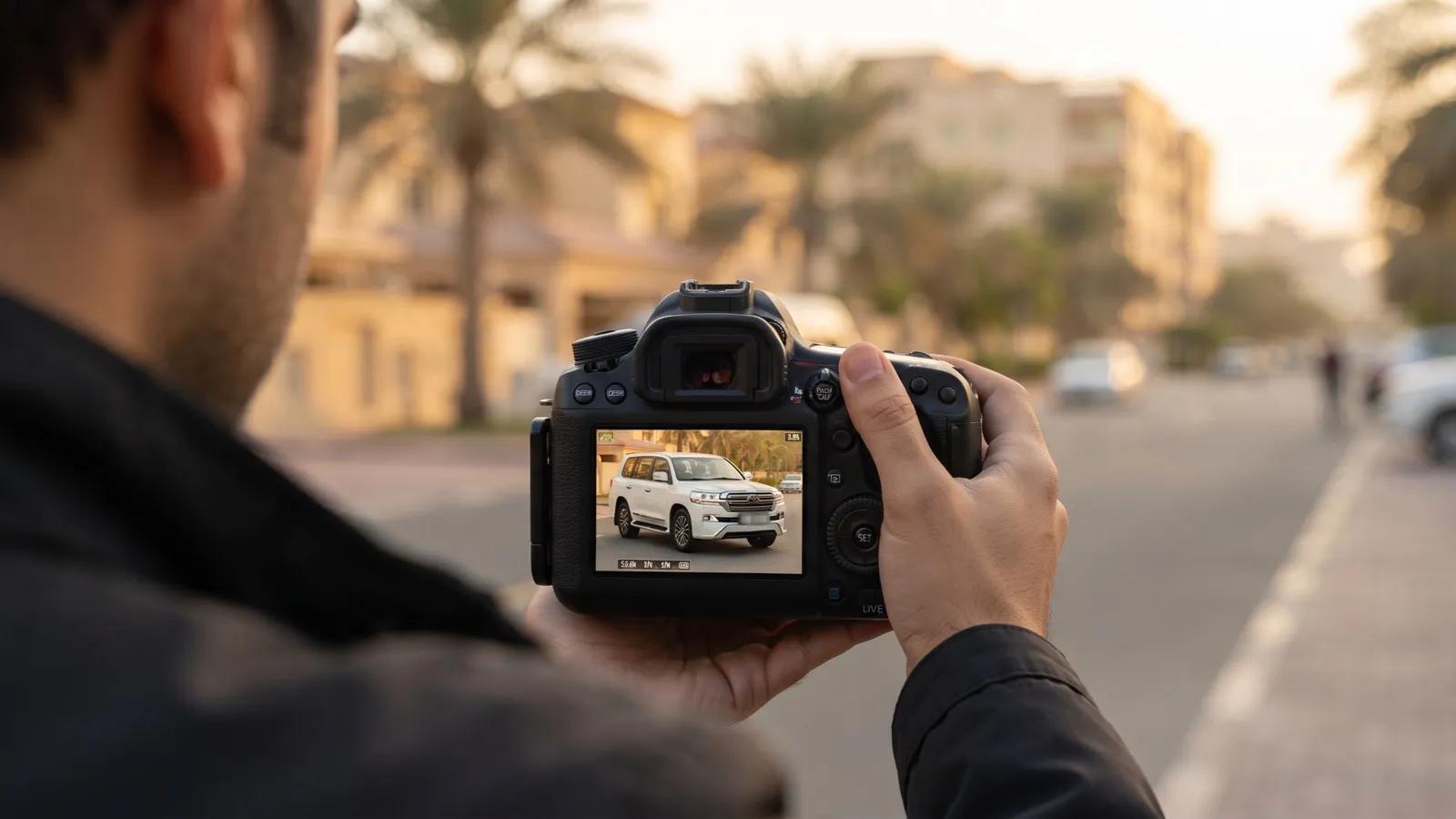
In the UAE you should not post a photo of an identifiable person without their consent. Article 44 of Federal Decree-Law No. 34 of 2021, the cybercrimes law, makes it an offence to use an IT system to take, keep or publish photos of others in any public or private place without consent, with imprisonment of at least six months and/or a fine of AED 150,000 to AED 500,000. Number plates are less clear-cut: I could not find a law that requires them to be blurred, but a plate identifies its owner, so blurring it is the safe default.
What does Article 44 cover?
Using an information network or IT system to invade someone's privacy without consent, outside the cases the law permits. The acts listed include:
- Taking photos of others in any public or private place, or preparing, transferring, revealing, copying or keeping them.
- Publishing news, photos or information about someone with intent to harm them, even if it is true.
- Photographing the injured, the dead or victims of accidents or disasters, or publishing those photos without permission.
- Recording or broadcasting someone's conversations, or tracking their location.
Editing a photo or recording to defame or offend someone is treated more seriously: imprisonment of at least one year and/or a fine of AED 250,000 to AED 500,000. The law came into force on 2 January 2022 and replaced the 2012 cybercrime law, so older articles quoting different article numbers or penalties are out of date.
Does it matter that the photo was taken in public?
Less than most people think. The article's own wording covers "any public or private place". Lawyers quoted in the UAE press have read it differently, from "taking pictures in public places isn't forbidden" to "illegal even in a public place". The safe reading for anyone publishing for a business is that a public setting is not permission. A street scene where nobody can be identified is a different thing from a photo where a stranger is the subject.
Do I have to blur number plates?
Not by any law I could find. There is no UAE statute or Dubai Police guidance I found that says plates must be blurred. A lawyer writing in Gulf News in 2024 advised against photographing someone's plate because it can identify the owner, and linked it to the same privacy offence. That is an opinion, not a rule, but it is the cautious one to follow.
In practice, blur every readable plate that is not the client's own car before a photo goes public. A business that posts customer cars every week, like a garage or a dealership, should make blurring part of how photos get posted, not something someone remembers to do. The blur has to be the easy option.
How should a business handle consent on a shoot?
- Ask before, not after. If someone will be recognisable, tell them where the photo will be used.
- Get it in writing for anything commercial. The law speaks of consent, not a form, but a signed release is your evidence if anyone disputes it later.
- Staff are people too. A team photo for a website still needs each person's agreement, and someone who leaves may ask for it to come down.
- Customers in the background are the common slip. Frame them out or blur them.
- Accidents and injuries are off limits. Do not photograph them for content, whatever the angle.
What about the owner of a car I photograph?
On a paid shoot the owner is the client, so agree in the booking whether the plate stays visible or gets blurred. A car spotted on the street is different. Its owner has agreed to nothing, so leave it out, or blur the plate and anyone inside.
Does the data protection law apply too?
A photo of an identifiable person is personal data, so a business publishing it is also processing personal data under the UAE's Personal Data Protection Law. That law expects consent to be specific, clear and provable. A signed release covers both.
Frequently asked questions
Is it illegal to take photos in public in the UAE?
- Photographing a place is generally not the problem. Photographing a person without consent can be, and Article 44 of the cybercrime law covers photos taken "in any public or private place", so a public setting is not a defence on its own.
Is it illegal to post someone's number plate in the UAE?
- I could not find a UAE law that specifically requires plates to be blurred. A plate can identify the owner, though, and lawyers have linked that to the privacy offence, so blurring is the safe practice.
Do I need a written model release in the UAE?
- The law talks about consent, not a written form. A signed release is still the best evidence that consent was given, so it is worth getting one for business use.
What is the penalty for posting a photo of someone without consent?
- Under Article 44 of Federal Decree-Law No. 34 of 2021, imprisonment of at least six months and/or a fine of AED 150,000 to AED 500,000, as explained by the UAE Public Prosecution in 2022.
Sources
- Gulf Today - UAE Public Prosecution clarifies penalty for infringement of privacy (July 2022)
- Clyde & Co - UAE updates cybercrime law
- BSA Law - Legal risks of photography under Federal Decree-Law No. 34 of 2021
- Hadef & Partners - Is photographing people in a public place illegal?
- Gulf News - Taking pictures of someone's car or home without permission
- Gulf News - Photos of accident victims now a punishable offence